
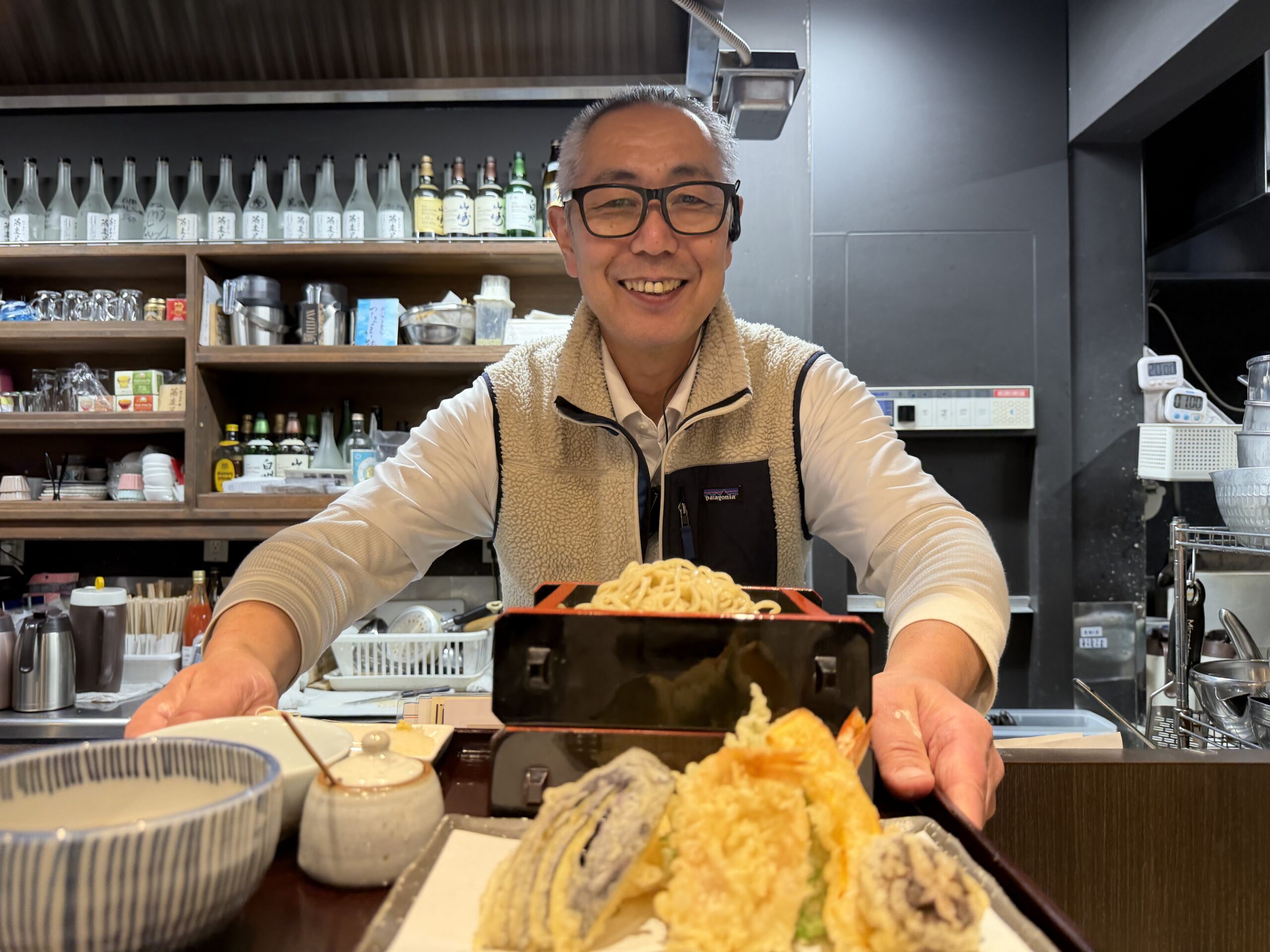
This time, we ventured a little beyond our usual Hayama and Zushi area and headed to Shonan’s Kugenuma Coast.
Introducing Kugenuma Kaigan Soba Nii — a soba restaurant in Shonan known for its unforgettable aroma.
It’s about a 30-minute drive from Hayama, perfect for a relaxed seaside detour.
Nestled where the ocean breeze meets a quiet residential neighborhood, this charming shop quietly stands.
“It’s a soba restaurant, yet somehow it feels unmistakably Shonan.”
That was my very first impression.
Highlight ①: “Soba Nii” — A Name Born from Surf Culture
The name “Soba Nii” is slightly unusual and memorable.
It actually comes from the nickname that owner Yoshiki Shimada was given by his surfing friends.
Shimada grew up in a soba-making family.
His family founded “Shimada-ya” in Ota Ward, Tokyo in 1970, and later operated in Fujisawa for nearly 40 years.
He says that from a young age, he naturally assumed he would one day become a soba chef.
The reason he moved the shop to Kugenuma Coast feels very Shonan.
“I’d been surfing around here for years. It’s where all my friends were.”
When he’s in the ocean, nothing else matters — not work, not status — only the waves.
“In the sea, all the pressures of society disappear,” he told me. That line stayed with me.

Surfing and soba seem like completely different worlds, yet both are moments of quietly facing yourself.
Highlight ②: Stone-Ground, Handcrafted Soba — Aroma First
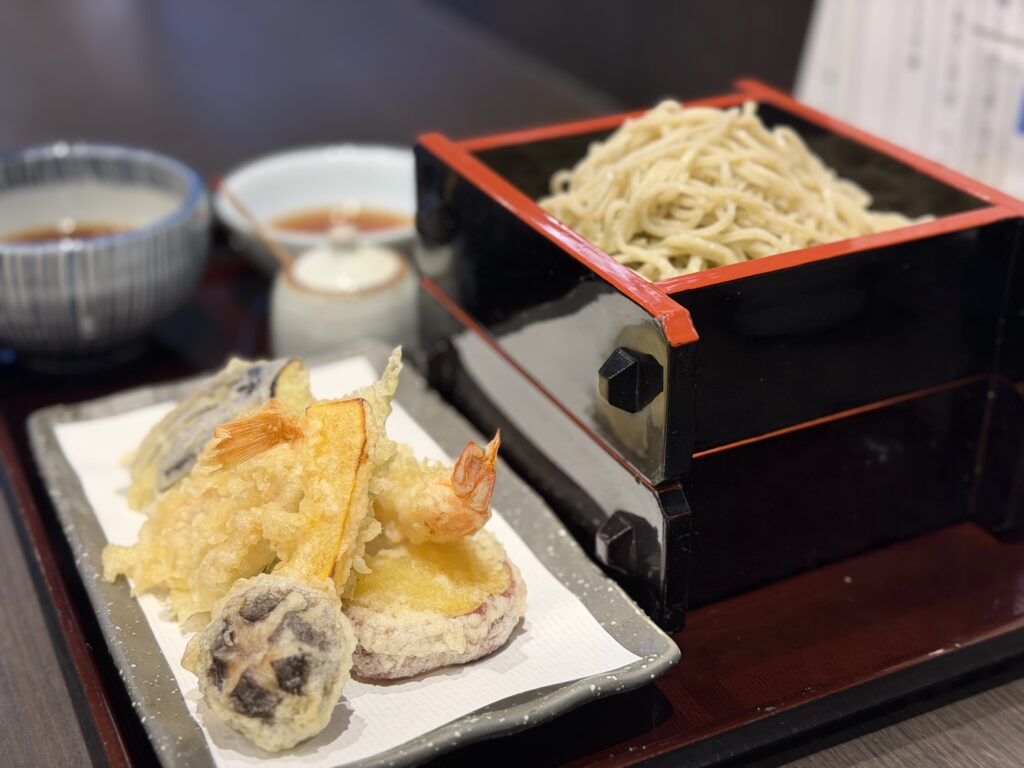
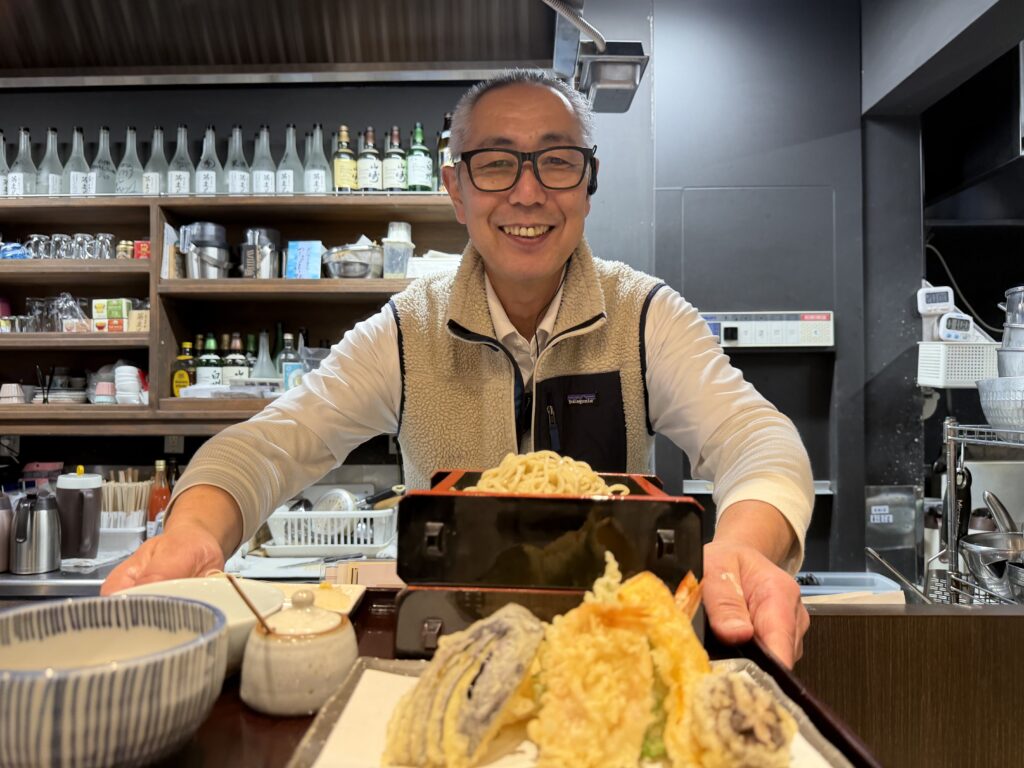
At Soba Nii, the buckwheat is stone-ground in-house every single day using domestically sourced buckwheat seeds.
Freshly milled flour carries a powerful fragrance, and the kneading process is subtly adjusted depending on the day’s humidity and temperature.
It’s neither the ultra-white refined style nor a rustic country soba.
Instead, it resembles classic Edo-style “standard soba.”
With the first bite, a gentle aroma softly spreads.
The more you chew, the natural sweetness and depth of buckwheat unfold.
There’s no flashiness — yet it lingers in your memory.
You immediately understand why he aims to create “soba you could eat every day.”
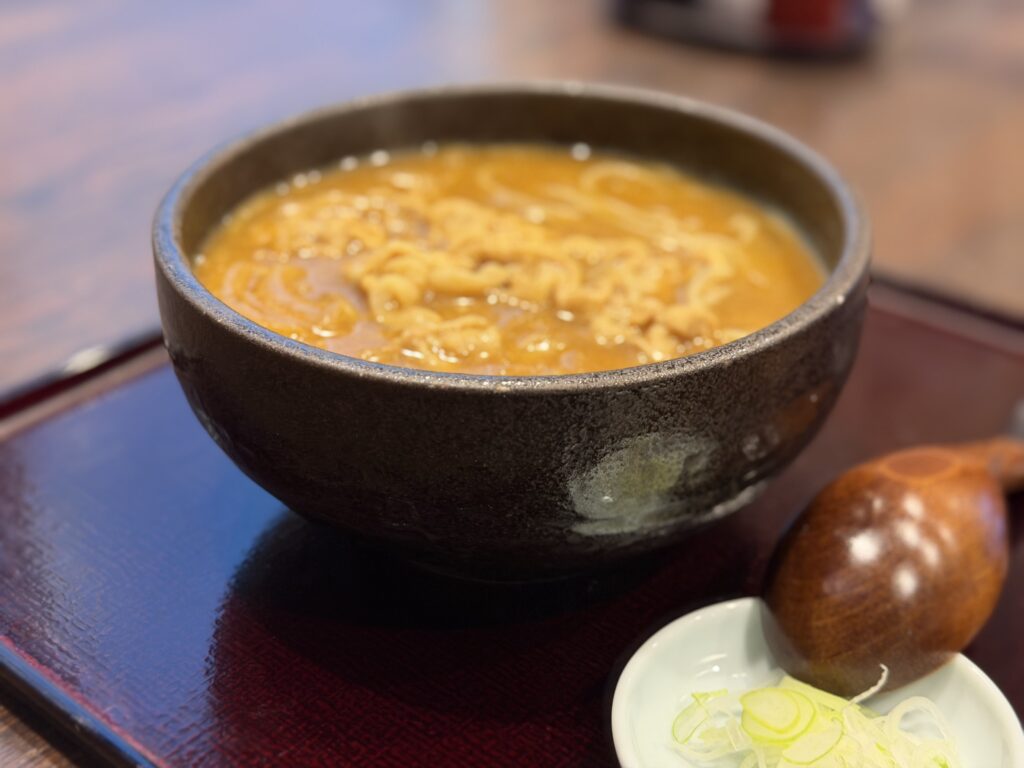
Highlight③:A Rich Dashi Experience — Signature Tsuyu and “White Sobayu”
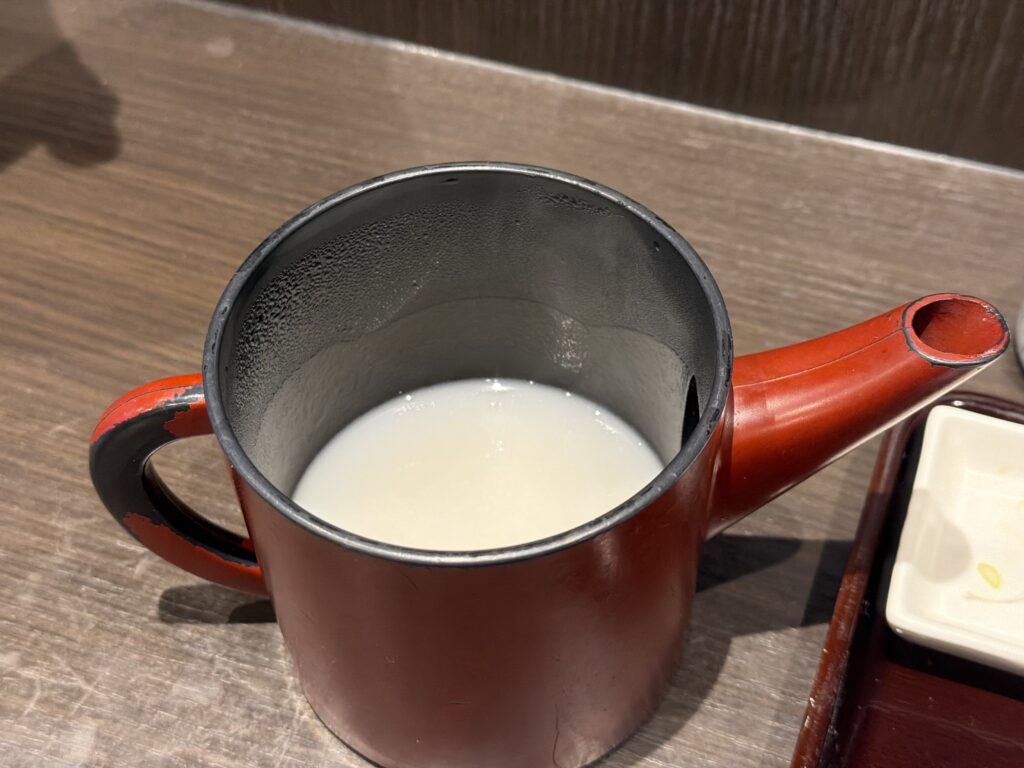
Another surprise at Sobanii was their sobayu — the hot, starchy broth served at the end of your meal.
It was thick, cloudy white, and far richer than any sobayu I had seen before.
When I asked why,
I learned that instead of using leftover boiling water like many soba shops,
they prepare a separate, specially made concentrated sobayu just for serving.
The dipping sauce (tsuyu) is equally refined.
Made with premium Rishiri kombu and honkarebushi from Makurazaki,
nearly double the amount typically used in most soba shops,
it creates extraordinary depth.
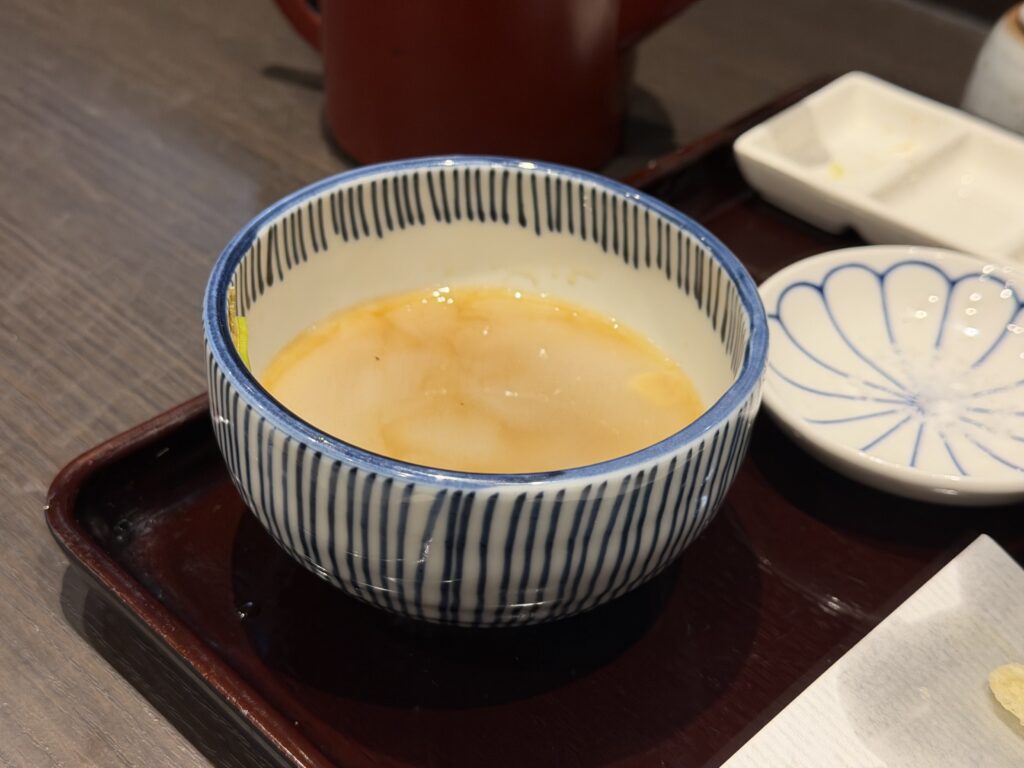
When you mix the remaining sauce with sobayu at the end,
the bonito aroma rises beautifully,
turning the final sip into something you don’t want to leave behind.
Sobayu here feels like a final course in itself. It shows how thoughtfully everything is crafted.
Highlight④:A Warm Shop Built by Two People
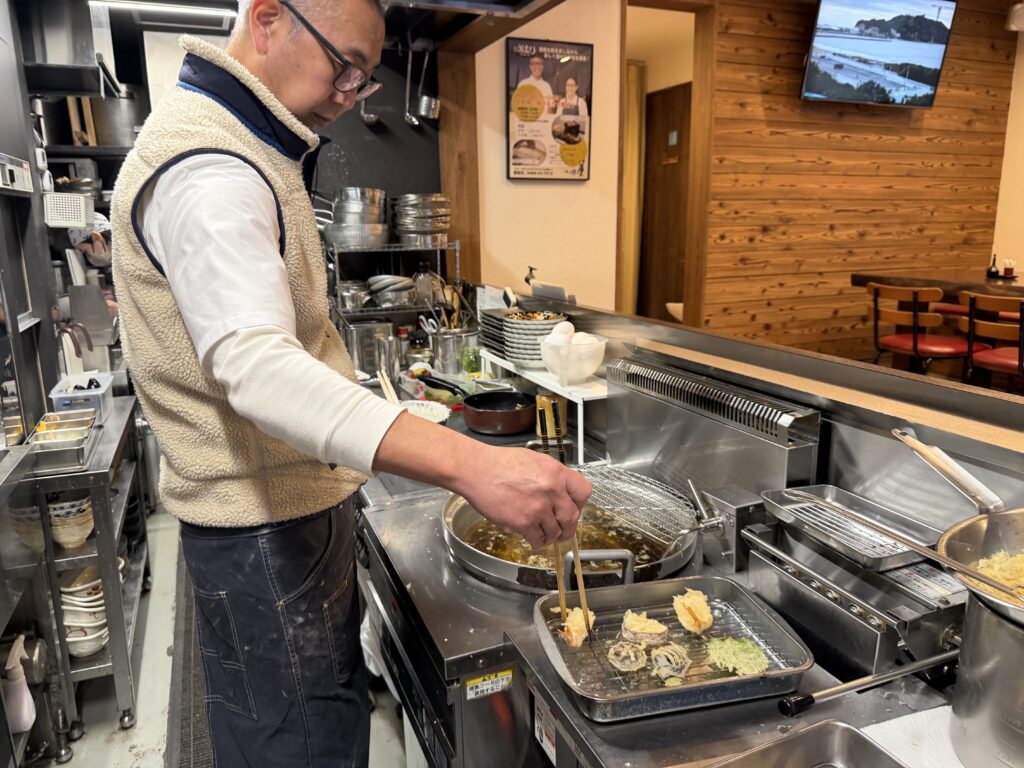
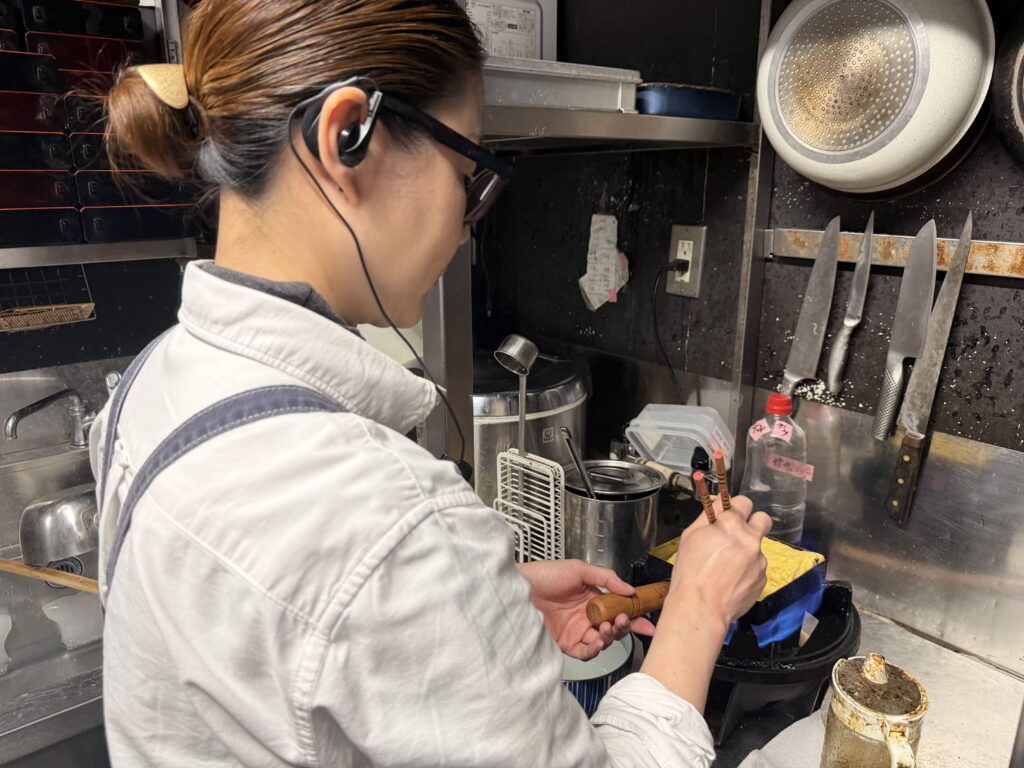
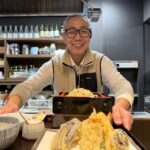
The husband works in the open kitchen, hand-cutting soba and frying tempura.
And his wife welcomes guests with the brightest smile.
This shop truly feels like a partnership.
I visited at the end of the year, right in the middle of the busy New Year soba season.
“This is the one time of year I stop surfing — I can’t risk getting injured,” Mr. Shimada laughed.
Even during their busiest days,
you can sense how much they value each customer in front of them.
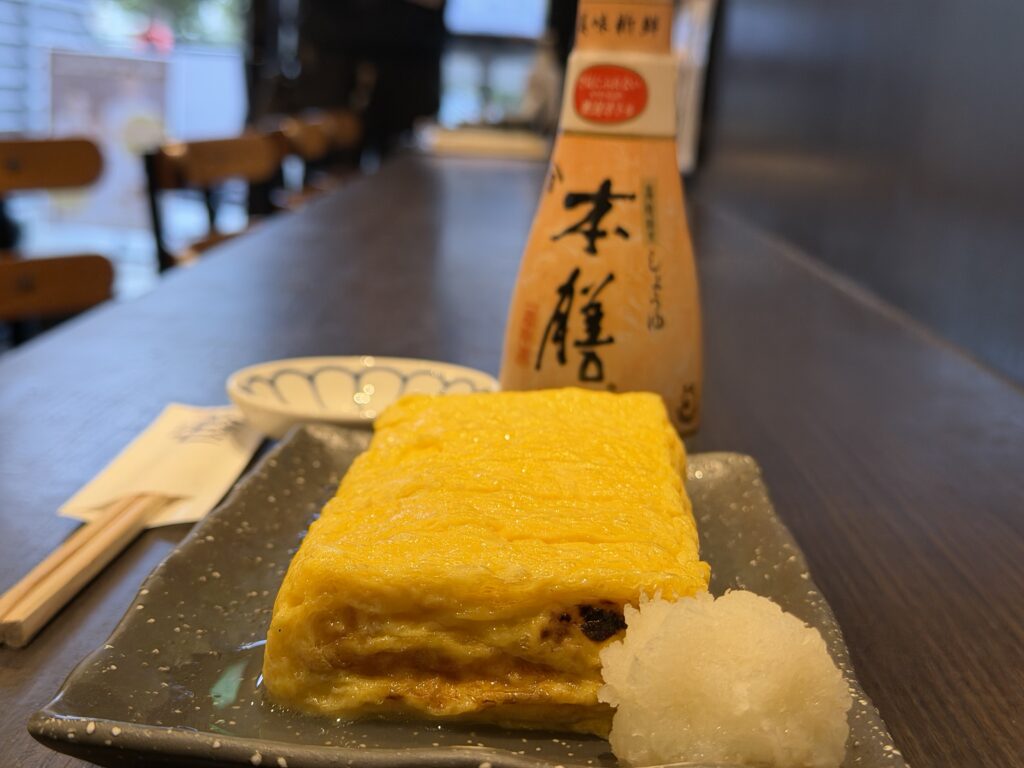
The thick tamagoyaki (Japanese omelet) prepared by his wife was unforgettable.
It’s not just the food — the hospitality itself
is one of the greatest charms of this place.
Highlight⑤:Perfect for Both Lunch and Evening Drinks
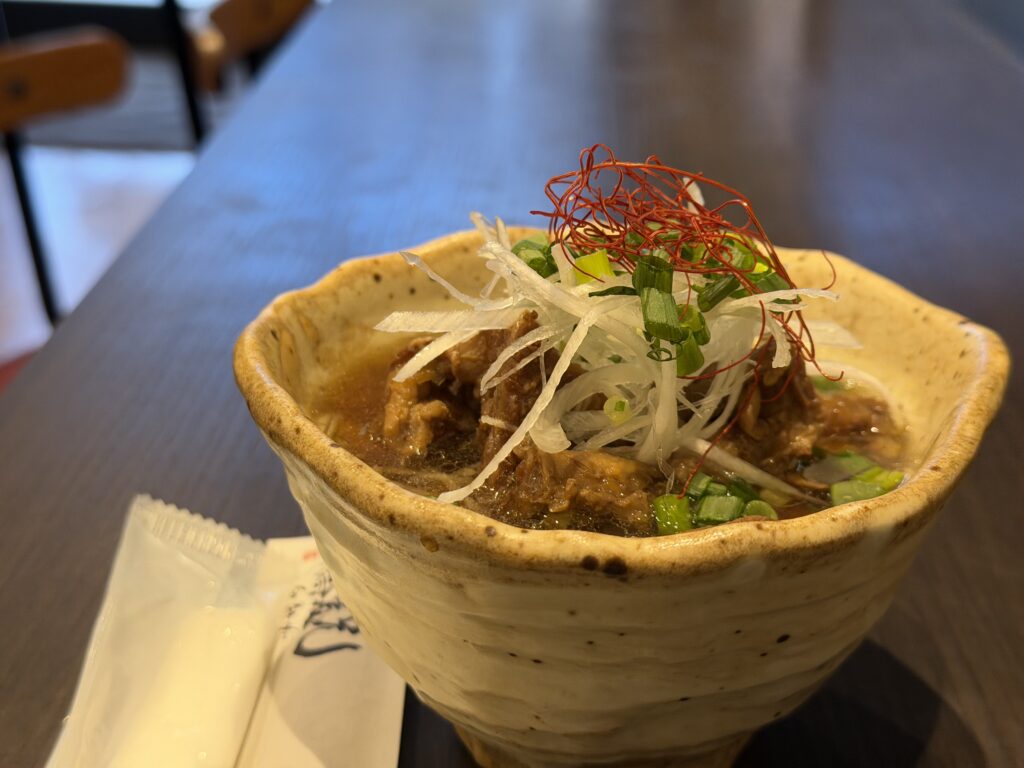
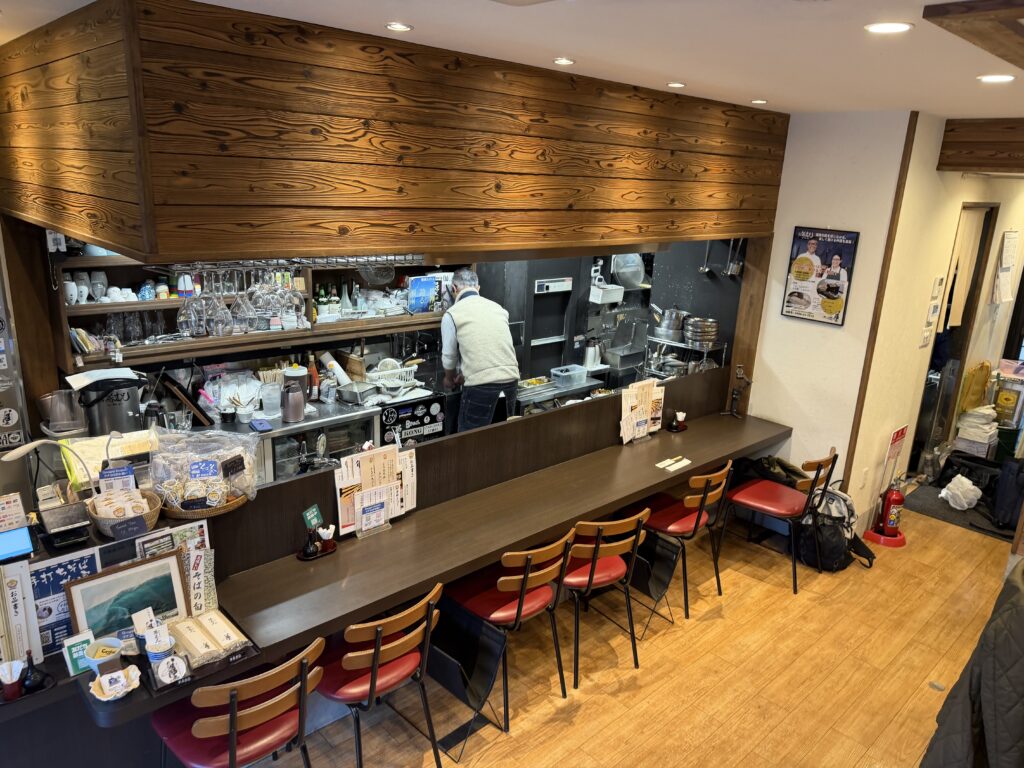
Sobanii isn’t just about soba. Their selection of small dishes and drinks makes it ideal for “sobamae” — enjoying sake before your noodles.
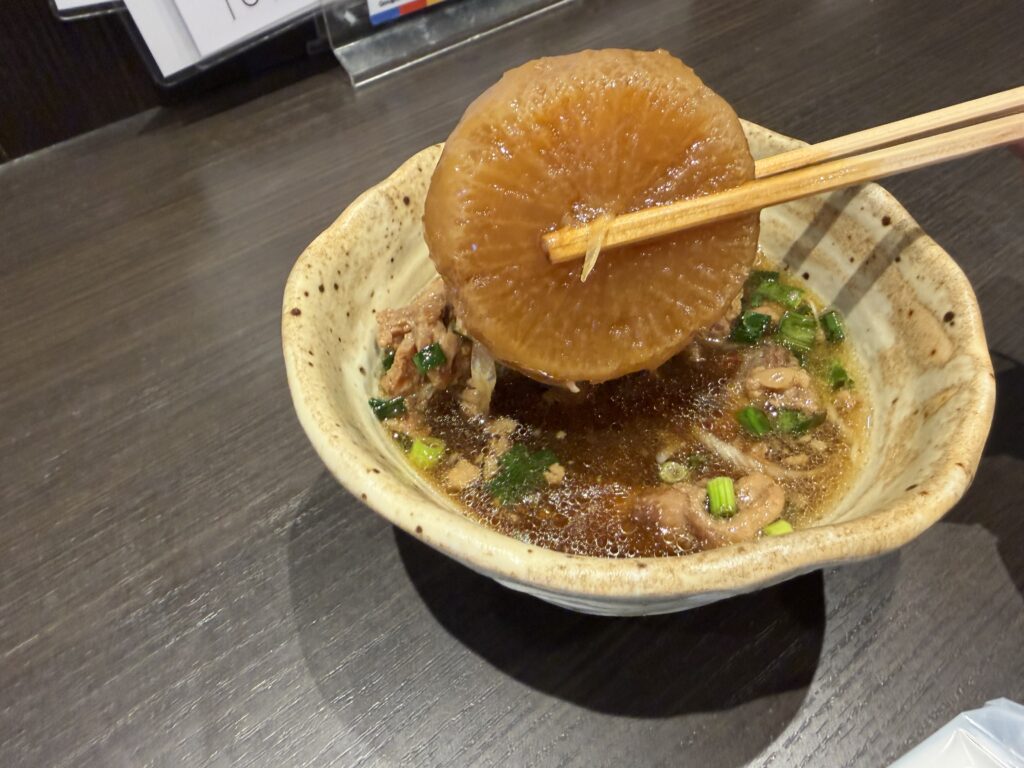
Tempura assortments, duck loin, simmered beef tendon with daikon, and sobagaki.
Many guests stop in for a drink even during the day.
It’s loved as a place where you can casually drop by after surfing.
From the open kitchen, you can hear the sound of tempura frying and smell the aroma drifting through the room.
Even the waiting time becomes part of the pleasure.
Highlight⑥:A National Spotlight Moment
In the summer of 2025, Sobanii gained national attention after being featured on Japanese television.
The exposure brought waves of visitors, and for a while, long lines formed daily.
Now things have gradually settled, and if you avoid peak lunch hours, entry is relatively smooth.
A recommended time to visit is just before the last lunch order, when you can enjoy the soba and atmosphere more calmly.
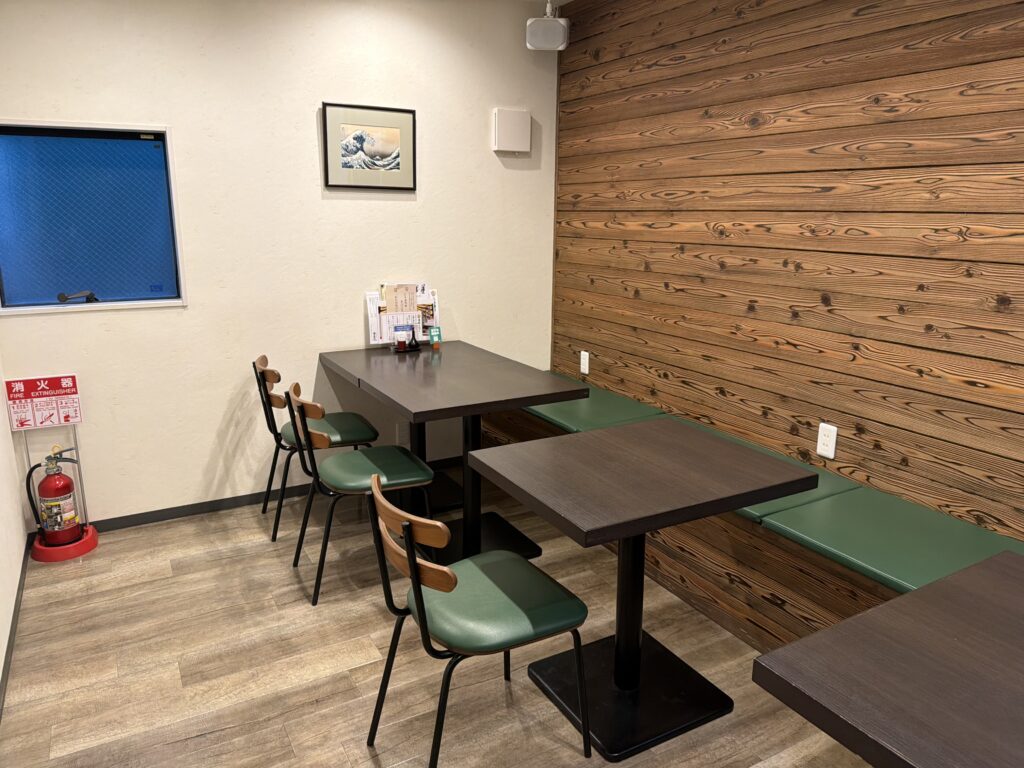
The famous upstairs seat ❤️
Family Note
Children are welcome.
There are table seats suitable for families.
During busy hours, food may take a little longer to arrive,
so visiting with extra time is recommended if you have small children.
Dog Information
The former terrace space is currently used as a waiting area.
Dogs are not allowed at this time.
Please plan accordingly if you are traveling with pets.
Access Information
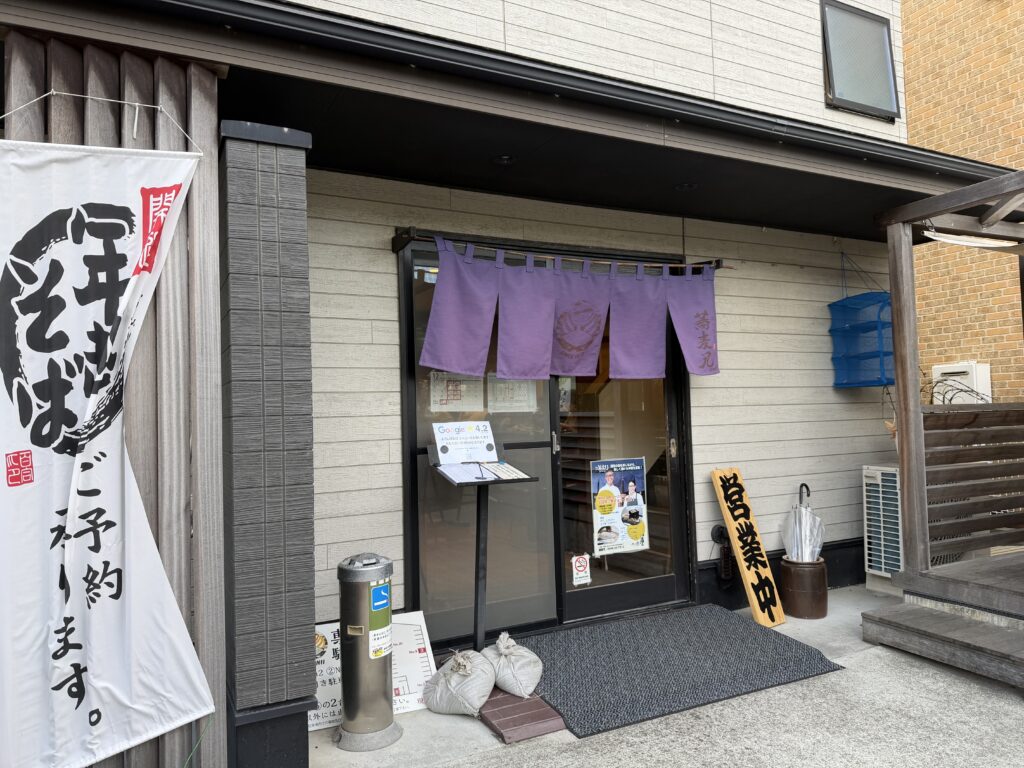
Kugenuma Kaigan Sobanii
4-8-11 Kugenuma Kaigan, Fujisawa, Kanagawa
Opening Hours:
Mon, Tue, Fri, Sat, Sun 11:30–21:00 (Last order 20:30)
Closed: Wed & Thu (15:00–17:00 break time)
Parking: 5 nearby spaces available
Instagram: @sobanii
Website: http://sobanii.com/
Hours and holidays may change. Please check before visiting.
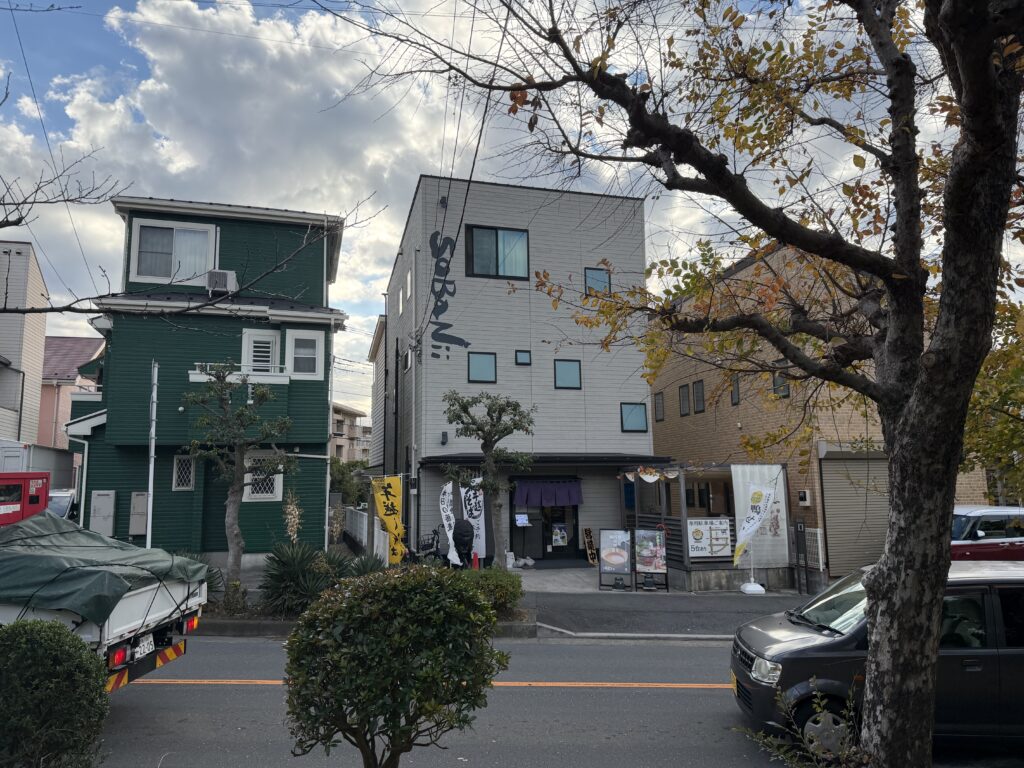
Summary: A Soba Shop You’ll Want to Return To
Kugenuma Kaigan Sobanii brings together
the aroma of soba, the depth of dashi, and the warmth of its people.
Born from a surfer’s nickname,
the shop expresses its philosophy of connecting people through food
in every carefully prepared bowl.
Even if you’re staying in Hayama,
it’s worth the short drive to experience this memorable soba.
We update Instagram almost daily. Join the Hayama Navi community and follow us!

Hello, this is Peli from Hayama Navi!
We share the best spots around Hayama and beyond.
We update Instagram almost daily—come follow us! Instagram link